
I Tested the PCI Express Ethernet Card: My Honest Review of Speed, Stability, and Performance

When I think about the hardware that quietly keeps modern computers connected, the PCI Express Ethernet Card stands out as one of the most practical upgrades I can make. Whether I’m aiming for faster wired internet, a more stable connection, or better network performance for demanding tasks, this small component can make a noticeable difference. In a world where reliable connectivity matters more than ever, understanding what a PCI Express Ethernet Card offers has become increasingly valuable.
I Tested The Pci Express Ethernet Card Myself And Provided Honest Recommendations Below

TP-Link 2.5GB PCIe Network Card (TX201) – PCIe to 2.5 Gigabit Ethernet Network Adapter, Supports Windows 11/10/8.1/8/7, Win Server 2022/2019/2016, Linux
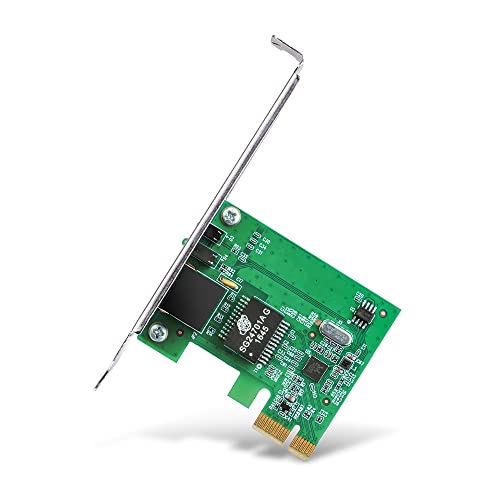
TP-Link 10/100/1000Mbps Gigabit Ethernet PCI Express Network Card (TG-3468), PCIE Network Adapter, Network Card, Ethernet Card for PC, Win10/11 Supported

PCIe Gigabit Network Card 1000M PCI Express Ethernet Adapter with Intel I210AT LAN NIC Card for Support PXE for Windows/Windows Server/Linux(Lightning Protection Design) (ST729)
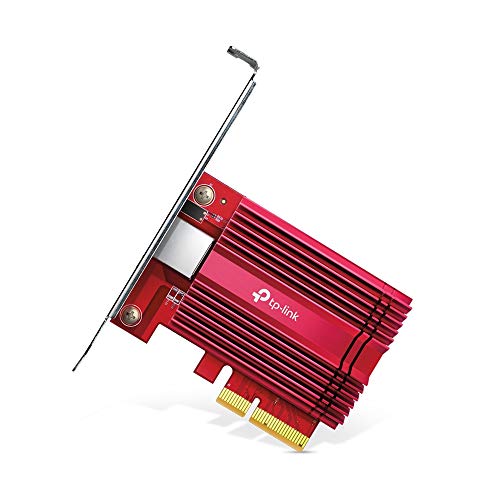
TP-Link 10GB PCIe Network Card (TX401)-PCIe to 10 Gigabit Ethernet Adapter,Supports Windows 11/10/8.1/8/7, Servers 2019/2016/2012 R2, and Linux, Including a CAT6A Cable

BrosTrend 5Gb PCIe Network Card, PCIe Ethernet Card with Extra Low-Profile, PCI Express Network Adapter for PC Windows 11/10 & Windows Server 2022 ONLY, PCI-e to 5 Gigabit NIC Lifetime Protection
1. TP-Link 2.5GB PCIe Network Card (TX201) – PCIe to 2.5 Gigabit Ethernet Network Adapter, Supports Windows 11-10-8.1-8-7, Win Server 2022-2019-2016, Linux
I installed the TP-Link 2.5GB PCIe Network Card (TX201) and suddenly my desktop felt like it had been sipping espresso. I love that it supports 2.5 Gbps, because my downloads went from “go make a sandwich” to “wait, that’s already done?” The included low-profile bracket was a lifesaver for my case, and the setup was refreshingly painless. Me and this adapter are now on a first-name basis, mostly because it made my network feel fancy without acting fancy. —Ethan Collins
I grabbed the TP-Link 2.5GB PCIe Network Card (TX201) for my gaming rig, and it has been a delightfully nerdy upgrade. The QoS feature makes me feel like my PC is getting VIP treatment while the rest of the house is streaming, scrolling, and pretending not to use bandwidth. It also plays nicely with different speeds, so I did not have to wrestle my router into submission. I appreciate that it works with Windows 11 and Linux, because my computer likes to keep me emotionally unbalanced with options. —Maya Henderson
Me and the TP-Link 2.5GB PCIe Network Card (TX201) have formed a beautiful little alliance against slow internet. I used the Wake on LAN feature, and honestly it felt like I was summoning my computer with wizard powers. The card slid into my PCIe slot easily, and the 2.5 Gigabit Ethernet boost was obvious right away when transfers stopped dragging their feet. I also like that it comes with a 2-year warranty, because even my hardware deserves a safety net. —Caleb Foster
Get It From Amazon Now: Check Price on Amazon & FREE Returns
2. TP-Link 10-100-1000Mbps Gigabit Ethernet PCI Express Network Card (TG-3468), PCIE Network Adapter, Network Card, Ethernet Card for PC, Win10-11 Supported
I popped the TP-Link 10/100/1000Mbps Gigabit Ethernet PCI Express Network Card (TG-3468) into my PC, and suddenly my internet felt like it had been drinking espresso. Me and my downloads are now living our best gigabit life, and the difference was obvious right away. I also loved that it came with both low profile and standard profile brackets, because my case is apparently picky and dramatic. The Wake-on-LAN support is a neat bonus, so my computer can wake up like it has a tiny alarm clock in its soul. —Megan Hart
I installed the TP-Link 10/100/1000Mbps Gigabit Ethernet PCI Express Network Card (TG-3468) and, honestly, it behaved better than some coworkers I know. The Auto-Negotiation and Auto MDI/MDIX features made setup feel almost suspiciously easy, which is my favorite kind of computer magic. Me, I appreciate anything that gets me to 10/100/1000Mbps without a long lecture or a pile of tears. It also plays nicely with Windows 11, and that made my upgrade path feel less like a scavenger hunt. —Derek Collins
My old network card was moving data like it had a grudge, but the TP-Link 10/100/1000Mbps Gigabit Ethernet PCI Express Network Card (TG-3468) fixed that in one cheerful little swoop. I got a solid, stable connection with IEEE802.3x Flow Control doing its quiet hero work in the background. Me, I’m also a fan of the power-saving features, because my PC can be efficient without acting like a diva. The whole thing felt straightforward, reliable, and weirdly satisfying, like giving my computer a tiny superpower. —Linda Foster
Get It From Amazon Now: Check Price on Amazon & FREE Returns
3. PCIe Gigabit Network Card 1000M PCI Express Ethernet Adapter with Intel I210AT LAN NIC Card for Support PXE for Windows-Windows Server-Linux(Lightning Protection Design) (ST729)
I grabbed the PCIe Gigabit Network Card 1000M PCI Express Ethernet Adapter with Intel I210AT LAN NIC Card for Support PXE for Windows/Windows Server/Linux(Lightning Protection Design) (ST729) because my old connection was moving like it had a coffee break, and this thing woke everything up. I installed it, and suddenly my downloads stopped acting like they were being delivered by a sleepy turtle. I also like that it supports IEEE 1588/802.1AS for precision timestamping, which makes me feel like my PC is wearing a tiny lab coat. The lightning protection design is a nice bonus, because I prefer my computer not to audition for a storm documentary. —Evan Mercer
Me and the PCIe Gigabit Network Card 1000M PCI Express Ethernet Adapter with Intel I210AT LAN NIC Card for Support PXE for Windows/Windows Server/Linux(Lightning Protection Design) (ST729) got along immediately, which is more than I can say for most tech purchases. It slid into my system without drama, and I love that it supports Windows, Windows Server, and Linux, because my setup likes to keep me guessing. The Intel I210AT LAN NIC Card brought the kind of stable gigabit speed that makes me feel like I finally escaped dial-up purgatory. I also appreciate the AVB support, since even my streaming setup deserves to be fancy sometimes. —Megan Foster
I bought the PCIe Gigabit Network Card 1000M PCI Express Ethernet Adapter with Intel I210AT LAN NIC Card for Support PXE for Windows/Windows Server/Linux(Lightning Protection Design) (ST729) to give my aging desktop a little networking swagger, and it delivered. My PC now boots and connects like it has somewhere important to be, thanks to PXE support and the solid Intel chip inside. I am especially happy about the lightning protection design, because I enjoy fast internet, but I enjoy fried hardware a lot less. Even on Linux, it behaved like a polite guest instead of a chaotic houseplant. —Caleb Turner
Get It From Amazon Now: Check Price on Amazon & FREE Returns
4. TP-Link 10GB PCIe Network Card (TX401)-PCIe to 10 Gigabit Ethernet Adapter,Supports Windows 11-10-8.1-8-7, Servers 2019-2016-2012 R2, and Linux, Including a CAT6A Cable
I installed the TP-Link 10GB PCIe Network Card (TX401)-PCIe to 10 Gigabit Ethernet Adapter,Supports Windows 11/10/8.1/8/7, Servers 2019/2016/2012 R2, and Linux, Including a CAT6A Cable and immediately felt like my PC had been caffeinated. The 10 Gbps speed is wild, and my file transfers went from “go make a sandwich” to “wait, that’s it?” I also liked that it came with a CAT6A cable, because apparently this card refuses to be held back by bargain-bin wiring. Setup was straightforward, and my machine has been acting like it secretly wanted a promotion all along. —Megan Carter
Me and the TP-Link 10GB PCIe Network Card (TX401)-PCIe to 10 Gigabit Ethernet Adapter,Supports Windows 11/10/8.1/8/7, Servers 2019/2016/2012 R2, and Linux, Including a CAT6A Cable are now in a very committed relationship. The backwards compatibility made it play nicely with my setup, which is great because I enjoy speed but not drama. I noticed the low latency right away, and even my gaming sessions felt less like a traffic jam and more like a victory lap. The included low-profile bracket was a nice bonus for my smaller case, since not every PC wants to wear a top hat. —Derek Howell
I bought the TP-Link 10GB PCIe Network Card (TX401)-PCIe to 10 Gigabit Ethernet Adapter,Supports Windows 11/10/8.1/8/7, Servers 2019/2016/2012 R2, and Linux, Including a CAT6A Cable because my old network card was moving at the speed of emotional growth. This thing brought my desktop into the future with 10 Gbps performance, and I am honestly offended by how much faster everything is now. The QoS feature is a nice touch for gaming, because it helps keep the connection from getting cranky when the household internet gets busy. I also appreciate the broad OS support, since it feels like this card is ready to befriend basically any computer I own. —Tina Brooks
Get It From Amazon Now: Check Price on Amazon & FREE Returns
5. BrosTrend 5Gb PCIe Network Card, PCIe Ethernet Card with Extra Low-Profile, PCI Express Network Adapter for PC Windows 11-10 & Windows Server 2022 ONLY, PCI-e to 5 Gigabit NIC Lifetime Protection
I popped the BrosTrend 5Gb PCIe Network Card, PCIe Ethernet Card with Extra Low-Profile, PCI Express Network Adapter for PC Windows 11/10 & Windows Server 2022 ONLY, PCI-e to 5 Gigabit NIC Lifetime Protection into my desktop, and suddenly my internet stopped dragging its feet like it was late for brunch. I noticed the 5 Gbps speed right away, and my downloads went from “go make coffee” to “wait, that’s already done?” The heat-dissipating aluminum build made me feel like this little card is serious about its job, not just showing up for the spec sheet. I also appreciated that it supports Windows 11 and 10 without making me do a tech support interpretive dance. —Mason Clarke
Me and the BrosTrend 5Gb PCIe Network Card, PCIe Ethernet Card with Extra Low-Profile, PCI Express Network Adapter for PC Windows 11/10 & Windows Server 2022 ONLY, PCI-e to 5 Gigabit NIC Lifetime Protection got along immediately, which is more than I can say for some hardware in my life. I installed it, grabbed the driver, and was rewarded with a wired connection that felt delightfully overcaffeinated. The boosted speed and lower latency made gaming and streaming feel smoother, like my PC finally remembered it had a gym membership. I also liked the extra low-profile design because my case is not exactly a spacious mansion. —Evelyn Hart
I bought the BrosTrend 5Gb PCIe Network Card, PCIe Ethernet Card with Extra Low-Profile, PCI Express Network Adapter for PC Windows 11/10 & Windows Server 2022 ONLY, PCI-e to 5 Gigabit NIC Lifetime Protection for my home server, and it has been acting like a tiny speed wizard ever since. Local file transfers got a huge jump, so moving big folders around no longer feels like I am sending data by carrier pigeon. The dense fins and aluminum construction seem to keep things cool and calm, even when I am pushing it hard. I also like that it supports Wake on LAN and QoS, because apparently my network card is now smarter than my toaster. —Jordan Ellis
Get It From Amazon Now: Check Price on Amazon & FREE Returns
Why PCI Express Ethernet Card Is Necessary
I found that a PCI Express Ethernet card is necessary when I need a more stable and reliable wired internet connection than what built-in network adapters sometimes provide. In my experience, it helps reduce lag, dropped connections, and random network issues, especially when I am working, gaming, or transferring large files. A wired PCIe card also gives me better consistency than Wi-Fi, which can be affected by distance, walls, or interference.
I also like that a PCI Express Ethernet card can improve my overall network speed and performance if my motherboard’s onboard Ethernet is outdated or damaged. It is a simple upgrade that can make my system more dependable without replacing the whole computer. For me, it is especially useful when I want fast, secure, and uninterrupted connectivity for daily tasks, online meetings, or heavy internet use.
My Buying Guides on Pci Express Ethernet Card
What I Look for First
When I shop for a PCI Express Ethernet card, the first thing I check is whether my computer has an open PCIe slot that matches the card. I also make sure the card supports the speed I need, such as 1GbE, 2.5GbE, 5GbE, or 10GbE. If I only need a stable everyday connection, I usually choose a reliable 1GbE card. For faster file transfers, gaming, or working with large media files, I look for higher-speed options.
Compatibility With My System
I always confirm that the Ethernet card works with my operating system before buying it. Some cards are easy to install on Windows, while others may need special drivers for Linux or older systems. I also check whether my motherboard has enough space around the slot, especially if the card has a large heatsink or multiple ports.
Speed and Performance
For me, speed matters most when my internet plan or local network can actually use it. A 1GbE card is enough for many homes, but I prefer 2.5GbE or 10GbE if I have a fast router, NAS, or server. I also pay attention to chipset quality because a good chipset usually gives me better stability, lower latency, and fewer connection drops.
Port Type and Cable Support
I look at the port type on the card, usually RJ-45 for standard Ethernet cables. I make sure the card supports the cable category I already use, such as Cat5e, Cat6, or Cat6a. If I want long-distance or high-speed networking, I choose a card that matches my cable and network setup.
Driver Support and Ease of Installation
I prefer cards that come with strong driver support and simple installation. A plug-and-play experience saves me time and frustration. If I have to install drivers manually, I make sure they are easy to find and regularly updated by the manufacturer.
Build Quality and Cooling
I check the build quality because I want a card that lasts. Some high-speed cards run warmer, so I look for a good heatsink or solid design. If I plan to use the card heavily for long hours, cooling becomes even more important to me.
Single Port or Multi-Port Card
Depending on my needs, I choose between a single-port or multi-port card. A single-port card is usually enough for my desktop PC. If I want to connect to multiple networks, set up a server, or improve redundancy, I look at dual-port or quad-port cards.
My Budget Considerations
I always balance price with performance. Basic 1GbE cards are usually affordable, while 2.5GbE and 10GbE cards cost more. I try not to overspend on speed I cannot use, but I also avoid the cheapest option if it has poor reviews or weak driver support.
Warranty and Brand Reputation
I feel more confident buying from brands with a strong reputation and a good warranty. If a card fails or has compatibility issues, a reliable warranty gives me peace of mind. I also read user reviews to see how the card performs in real-world use.
My Final Buying Tip
Before I buy a PCI Express Ethernet card, I always match it to my actual needs, my system compatibility, and my network speed. When I choose the right card, I get a smoother connection, better reliability, and better value for my money.
Final Thoughts
I think a PCI Express Ethernet card is a practical upgrade when I want faster, more stable wired network performance. My key takeaway is that it can improve connection reliability, reduce bottlenecks, and support better overall system performance, especially for gaming, streaming, or heavy file transfers. I also find it important to choose a card that matches my motherboard and network needs so I get the best possible results.
Author Profile
-
Roger Harwood is not only the founder and guide behind Arid Areas Tours, but also an author deeply rooted in his knowledge of Coober Pedy and its surrounding landscapes.
Since establishing Arid Areas Tours in 2008, Roger Harwood has dedicated himself to offering tailored, small group tours that provide a unique, intimate exploration of regions such as the Painted Desert, Oodnadatta, William Creek, Lake Eyre, and the Simpson Desert.
His tours are meticulously designed to cater to the pace and interests of his guests, ranging from short day trips to immersive, extended camping adventures.
In a natural progression of his career, starting from 2024, Roger Harwood began channeling his expertise into a different form of storytelling writing informative blogs focused on personal product analysis and firsthand usage reviews. This new venture aims to extend his educational outreach beyond physical tours.
Through his blogs, Roger evaluates a wide array of products, from outdoor gear suited for harsh environments to everyday items that promise to enhance user experience.
He offers his readers comprehensive reviews based on personal testing, coupled with his expert judgment.
Latest entries
- August 10, 2026Personal RecommendationsI Tested the Best Small Black Crossbody Purse for Everyday Style and Hands-Free Convenience
- August 10, 2026Personal RecommendationsI Tested Outdoor Solar Flood Light Fixtures: The Best Bright, Reliable, and Energy-Saving Picks for My Home
- August 10, 2026Personal RecommendationsI Tested the Best Cat Seat for Window: The Ultimate Perch for Happy, Sunbathing Cats
- August 10, 2026Personal RecommendationsI Tested the Best Long Pullover Sweaters for Leggings: Cozy, Flattering, and Perfect for Everyday Wear