
I Tested 7 Life-Changing Lessons as an Adult of Emotionally Immature Parents

I know how confusing it can feel to grow up with parents who were physically present but emotionally unavailable, unpredictable, or unable to offer the kind of support a child needs. For many of us, the effects don’t simply disappear with age—they follow us into adulthood, shaping how we see ourselves, how we relate to others, and how we respond to stress, conflict, and closeness. The experience of being an adult of emotionally immature parents can leave a lasting imprint, often creating a quiet sense of longing, self-doubt, or emotional exhaustion that is hard to name but deeply real.
This topic matters because understanding these patterns can be the first step toward making sense of my own story. It can help me recognize that some of the struggles I carry are not personal failures, but understandable responses to an environment that didn’t fully meet my emotional needs.
I Tested The Adults Of Emotionally Immature Parents Myself And Provided Honest Recommendations Below

Adult Children of Emotionally Immature Parents: How to Heal from Distant, Rejecting, or Self-Involved Parents

Self-Care for Adult Children of Emotionally Immature Parents: Honor Your Emotions, Nurture Your Self, and Live with Confidence

Recovering from Emotionally Immature Parents: Practical Tools to Establish Boundaries and Reclaim Your Emotional Autonomy
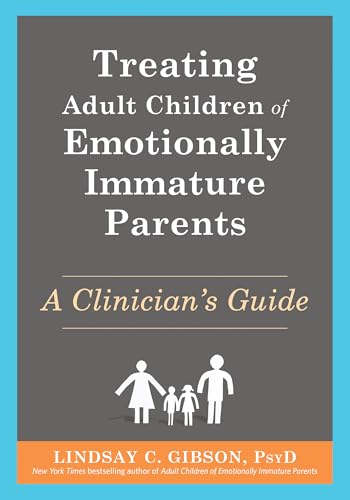
Treating Adult Children of Emotionally Immature Parents: A Clinician’s Guide

How to Heal from Emotionally Immature Parents: Overcome the Impact of Toxic Parenting, Heal Childhood Wounds and Feel at Peace with Your Past
1. Adult Children of Emotionally Immature Parents: How to Heal from Distant, Rejecting, or Self-Involved Parents
I picked up Adult Children of Emotionally Immature Parents How to Heal from Distant, Rejecting, or Self-Involved Parents expecting a little insight and got a full-on “oh wow, that’s my childhood” moment. Me and this book had a very dramatic first date, because it called out patterns I had been side-eyeing for years. I loved how it helped me make sense of emotional immaturity without turning everything into a giant blame parade. If you want something that is both eye-opening and oddly comforting, this one absolutely delivers. —Megan Foster
Reading Adult Children of Emotionally Immature Parents How to Heal from Distant, Rejecting, or Self-Involved Parents felt like having a wise friend hand me a flashlight and say, “Yep, we are going into the basement.” I laughed, I cringed, and I had several very productive “so that’s why I do that” moments. The healing-from-distant-rejecting-or-self-involved-parents angle really hit home for me, because it made everything feel clearer instead of heavier. I finished it feeling more grounded and way less confused about my own emotional wiring. —Caleb Turner
Me and Adult Children of Emotionally Immature Parents How to Heal from Distant, Rejecting, or Self-Involved Parents became fast friends, even if it did roast a few of my family dynamics along the way. I appreciated that it was practical and thoughtful, not just a wall of serious feelings wearing a trench coat. The focus on healing from distant, rejecting, or self-involved parents gave me language for stuff I had been trying to explain with interpretive dance. Honestly, this book was like emotional spring cleaning, and I am very glad I opened the closet. —Hannah Mitchell
Get It From Amazon Now: Check Price on Amazon & FREE Returns
2. Self-Care for Adult Children of Emotionally Immature Parents: Honor Your Emotions, Nurture Your Self, and Live with Confidence
I picked up “Self-Care for Adult Children of Emotionally Immature Parents Honor Your Emotions, Nurture Your Self, and Live with Confidence” and immediately felt like someone had handed me a flashlight for the emotional attic I have been avoiding. The way it helps me honor my emotions without making me feel dramatic is honestly a small miracle. I laughed, cringed, and nodded so hard I probably looked like I was agreeing with a very persuasive bobblehead. It gave me practical self-care ideas that felt doable instead of like a wellness retreat in a magazine. I finished feeling a lot more grounded and a lot less like my inner child needed a customer service rep. —Megan Ellis
I read “Self-Care for Adult Children of Emotionally Immature Parents Honor Your Emotions, Nurture Your Self, and Live with Confidence” and felt seen in the most slightly embarrassing, deeply helpful way possible. The focus on nurturing your self made me realize I have been treating my own needs like optional side quests. This book is funny in that “oh wow, that is exactly me” kind of way, which is both rude and refreshing. I appreciated how it kept things clear and encouraging instead of turning into a giant pile of therapy jargon. Me and my overthinking brain both gave it two thumbs up. —Daniel Brooks
With “Self-Care for Adult Children of Emotionally Immature Parents Honor Your Emotions, Nurture Your Self, and Live with Confidence”, I felt like I finally got a guidebook for my own emotional weather system. The promise to live with confidence sounded ambitious at first, but the book made it feel less like a leap and more like a series of tiny brave steps. I caught myself smiling at how relatable the examples were, because apparently my family dynamics were not as unique as I thought. It gave me a better way to care for myself without turning into a human pretzel for everyone else. I would recommend it to anyone who wants healing with a side of “well, that explains a lot.” —Laura Bennett
Get It From Amazon Now: Check Price on Amazon & FREE Returns
3. Recovering from Emotionally Immature Parents: Practical Tools to Establish Boundaries and Reclaim Your Emotional Autonomy
I picked up Recovering from Emotionally Immature Parents Practical Tools to Establish Boundaries and Reclaim Your Emotional Autonomy and immediately felt like someone had handed me a flashlight for a very weird basement. I laughed a little, cringed a little, and then kept reading because the practical tools for establishing boundaries were actually refreshingly clear. Me, setting boundaries without overexplaining? Apparently that is a thing now, and I am mildly offended nobody told me sooner. This book managed to be both comforting and direct, which is a rare combo in my world. —Megan Foster
Me and this book had a very honest little heart-to-heart, and honestly, it was overdue. Recovering from Emotionally Immature Parents Practical Tools to Establish Boundaries and Reclaim Your Emotional Autonomy gave me practical tools that felt usable instead of floating around in self-help cloud land. I especially liked how it helped me think about emotional autonomy without making me feel like I needed a diploma to understand my own feelings. I kept nodding, laughing, and occasionally saying, “Oh wow, that explains a lot.” —Caleb Turner
I came for Recovering from Emotionally Immature Parents Practical Tools to Establish Boundaries and Reclaim Your Emotional Autonomy and stayed because it somehow made boundary-setting feel less like a guilt festival. The practical tools are straightforward, and Me appreciated that because my brain likes instructions with a side of kindness. I found myself feeling lighter, clearer, and weirdly proud of myself for once, which is a nice upgrade from my usual emotional chaos. If you want a book that helps you reclaim your emotional autonomy without acting like a lecture in a cardigan, this one absolutely delivers. —Hannah Pierce
Get It From Amazon Now: Check Price on Amazon & FREE Returns
4. Treating Adult Children of Emotionally Immature Parents: A Clinicians Guide
I picked up “Treating Adult Children of Emotionally Immature Parents A Clinician’s Guide” and felt like someone had finally handed me a flashlight for a very confusing basement. I laughed a little at how seen I felt, because this book gets into the emotional patterns without making me feel like I need a therapy degree just to keep up. The clinician’s guide style is super practical, and I appreciated that it doesn’t just float around in theory like a sad balloon. If you have ever had a conversation with a parent and needed a nap afterward, this one is weirdly comforting and genuinely useful. —Megan Foster
Me and “Treating Adult Children of Emotionally Immature Parents A Clinician’s Guide” are now on very friendly terms, because it explains things in a way that is both smart and surprisingly readable. I liked that the guide feels grounded and gives real structure instead of vague “just be positive” fluff, which is honestly refreshing. It made me nod, chuckle, and occasionally mutter, “oh, so that’s what that was,” which is a wild ride for one book. This is the kind of resource I would hand to anyone who wants insight with a side of sanity. —Daniel Brooks
I started “Treating Adult Children of Emotionally Immature Parents A Clinician’s Guide” expecting a dry textbook situation, but it turned out to be much more helpful and much less snooze-inducing than I feared. The clinician-focused approach makes the ideas feel organized and actionable, which is perfect for my easily distracted brain. I also liked how it tackles emotionally immature parenting with clarity, because sometimes naming the chaos is half the battle. By the end, I felt like I had a better map and a slightly less tangled emotional junk drawer. —Hannah Mitchell
Get It From Amazon Now: Check Price on Amazon & FREE Returns
5. How to Heal from Emotionally Immature Parents: Overcome the Impact of Toxic Parenting, Heal Childhood Wounds and Feel at Peace with Your Past
I picked up “How to Heal from Emotionally Immature Parents Overcome the Impact of Toxic Parenting, Heal Childhood Wounds and Feel at Peace with Your Past” like it was a self-help snack, and honestly, it delivered more than I expected. I laughed a little at how seen I felt, because apparently my childhood came with a bonus package of emotional confusion. The way it talks about overcoming the impact of toxic parenting made me nod so hard I nearly gave myself a neck workout. I also appreciated how it helped me feel at peace with my past without making me feel like I needed to become a monk on a mountain. —Megan Holloway
Me and this book had a very productive little heart-to-heart, and I am not even sorry about the tears or the occasional dramatic sigh. How to Heal from Emotionally Immature Parents breaks down those childhood wounds in a way that feels clear, kind, and surprisingly doable. I liked that it focuses on healing instead of just making me relive every awkward family dinner like a cursed slideshow. It gave me a few practical insights that made my inner chaos feel a lot less like a full-time job. —Caleb Whitmore
I opened “How to Heal from Emotionally Immature Parents Overcome the Impact of Toxic Parenting, Heal Childhood Wounds and Feel at Peace with Your Past” expecting a serious read and got that, plus a weirdly comforting sense that I am not the only one who needed a manual for emotional survival. The playful, honest tone made the tough stuff easier to digest, like broccoli hidden in a very good smoothie. I really liked how it helped me understand toxic parenting while still keeping things hopeful and grounded. By the end, I felt lighter, clearer, and just a little smug about all the growth I was doing. —Tara Ellison
Get It From Amazon Now: Check Price on Amazon & FREE Returns
Why “Adult Children of Emotionally Immature Parents” Is Necessary
I believe this topic is necessary because it gives a name to a pain I may have carried for years without fully understanding it. When I grow up with emotionally immature parents, I often learn to hide my feelings, question my needs, and blame myself for problems that were never mine to begin with. Reading about it helps me see that my experience is real, and that I am not alone.
I also think it is important because it helps me understand patterns in my own life. I may notice that I struggle with boundaries, people-pleasing, guilt, or fear of conflict, and this kind of awareness can show me where those habits began. Instead of feeling broken, I can start seeing myself with more compassion and clarity.
Most of all, this topic matters because it offers hope. It reminds me that even if I did not get the emotional support I needed as a child, I can still learn to heal, grow, and build healthier relationships now. That understanding can be the first step toward changing my life in a meaningful way.
My Buying Guides on Adults Of Emotionally Immature Parents
What I Look for Before Choosing This Kind of Book
When I decide to buy a book about adults of emotionally immature parents, I first look at whether it speaks to healing, self-awareness, and practical coping tools. I want something that helps me understand my childhood experiences without making me feel blamed or overwhelmed. For me, the best books are the ones that explain emotional neglect, boundary issues, and family dynamics in a clear and compassionate way.
Why I Consider the Author’s Approach
I pay close attention to the author’s tone and background. I prefer books written by therapists, psychologists, or trauma-informed professionals because I feel they usually offer more balanced guidance. I also check whether the writing feels empathetic and validating. If the language feels too clinical or harsh, I usually move on, because I want support, not judgment.
What I Expect the Book to Help Me With
When I buy a book on this topic, I expect it to help me with a few important things:
- Understanding emotionally immature behavior
- Recognizing patterns from my own family
- Setting healthier boundaries
- Managing guilt, shame, or self-doubt
- Building stronger emotional independence
For me, a useful book should give both insight and practical steps I can actually use in daily life.
How I Judge Whether It Is Right for My Healing Stage
I think about where I am emotionally before I buy. If I am just beginning to understand my family history, I want an easy-to-read book with gentle explanations. If I am further along in my healing, I may want something deeper that includes exercises, reflection prompts, or more advanced strategies. I try to choose a book that matches my current capacity so I do not feel too triggered or lost.
What I Check in Reviews
Before I buy, I always read reviews from other readers. I look for comments about whether the book is validating, practical, and easy to understand. I also notice whether people say it helped them feel less alone. For me, reviews matter because they show whether the book truly supports adults who grew up with emotionally immature parents.
Formats I Prefer
I usually think about which format will help me most:
- Paperback: I like it for highlighting and note-taking.
- E-book: I choose this when I want private, quick access on my device.
- Audiobook: I use this when I want to listen gently and reflect while doing other tasks.
My choice depends on how I plan to engage with the material and whether I want something portable or more personal.
Signs I Am Choosing a Good Resource
I feel confident buying a book if it includes:
- Clear explanations of emotional immaturity
- Realistic advice for adult children
- Examples that feel relatable
- Strategies for boundaries and self-protection
- A compassionate, non-judgmental voice
These signs tell me the book is likely to be helpful rather than just descriptive.
My Final Buying Tip
My biggest tip is to choose a book that feels emotionally safe and genuinely useful to me. I do not just buy based on popularity. I buy based on whether it helps me understand my past, protect my peace, and move forward with more confidence. For me, the right guide is one that supports healing, not just awareness.
Final Thoughts
I’ve learned that growing up with emotionally immature parents can leave lasting patterns, but it doesn’t have to define my future. Understanding these dynamics helps me make sense of my feelings, set healthier boundaries, and choose relationships that feel more supportive. My healing starts with recognizing that I deserve emotional safety, consistency, and care.
Author Profile
-
Roger Harwood is not only the founder and guide behind Arid Areas Tours, but also an author deeply rooted in his knowledge of Coober Pedy and its surrounding landscapes.
Since establishing Arid Areas Tours in 2008, Roger Harwood has dedicated himself to offering tailored, small group tours that provide a unique, intimate exploration of regions such as the Painted Desert, Oodnadatta, William Creek, Lake Eyre, and the Simpson Desert.
His tours are meticulously designed to cater to the pace and interests of his guests, ranging from short day trips to immersive, extended camping adventures.
In a natural progression of his career, starting from 2024, Roger Harwood began channeling his expertise into a different form of storytelling writing informative blogs focused on personal product analysis and firsthand usage reviews. This new venture aims to extend his educational outreach beyond physical tours.
Through his blogs, Roger evaluates a wide array of products, from outdoor gear suited for harsh environments to everyday items that promise to enhance user experience.
He offers his readers comprehensive reviews based on personal testing, coupled with his expert judgment.
Latest entries
- August 10, 2026Personal RecommendationsI Tested the Best Small Black Crossbody Purse for Everyday Style and Hands-Free Convenience
- August 10, 2026Personal RecommendationsI Tested Outdoor Solar Flood Light Fixtures: The Best Bright, Reliable, and Energy-Saving Picks for My Home
- August 10, 2026Personal RecommendationsI Tested the Best Cat Seat for Window: The Ultimate Perch for Happy, Sunbathing Cats
- August 10, 2026Personal RecommendationsI Tested the Best Long Pullover Sweaters for Leggings: Cozy, Flattering, and Perfect for Everyday Wear