
I Tested 4 AWG Aluminum Wire: My Honest Guide to Performance, Uses, and Safety

When I first started looking into electrical wiring options, I quickly realized how much there is to consider beyond just size and material. One option that kept coming up was 4 AWG aluminum wire, a choice that often stands out for its balance of conductivity, weight, and affordability. Whether I’m exploring it for a residential project, a larger installation, or simply trying to understand where it fits in the world of electrical wiring, this wire size has a way of drawing attention for good reason. In this article, I’ll take a closer look at what makes 4 AWG aluminum wire worth knowing about and why it continues to be a practical solution in a range of applications.
I Tested The 4 Awg Aluminum Wire Myself And Provided Honest Recommendations Below
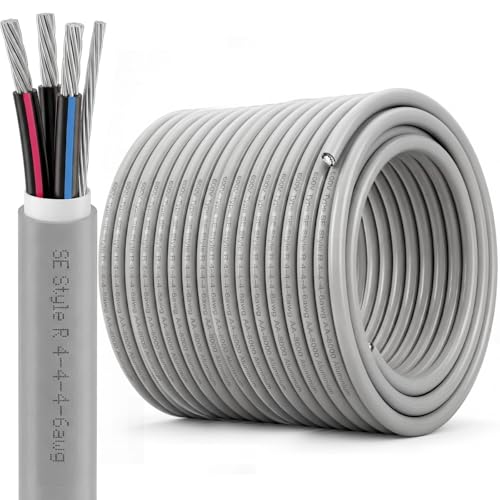
Copkim 175′ 4-4-4-6 SER Aluminum Service Entrance Cable, Stranded 600V Electrical Wire for Above Ground Feeder/Panel Connections

Stock Wire 4 AWG XHHW-2 Aluminum Building Wire (150Ft Cut), Black (3787-150)
4 AWG XHHW-2 Aluminum Building Wire (100Ft Cut)
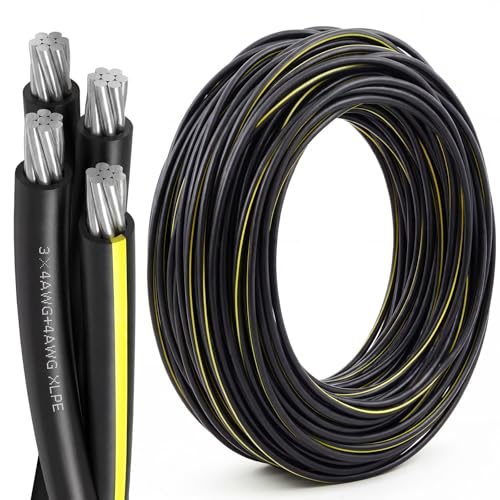
BreezeHug 100Ft 4-4-4-4 Quadruplex Aluminum Conductor Underground Direct Burial URD Cable 600V, XLPE Insulation, Underground Wire for Outdoor Direct Burial, Pipeline Laying

Copkim 150′ 4-4-4-6 SER Aluminum Service Entrance Cable, Stranded 600V Electrical Wire for Above Ground Feeder/Panel Connections
1. Copkim 175 4-4-4-6 SER Aluminum Service Entrance Cable, Stranded 600V Electrical Wire for Above Ground Feeder-Panel Connections
I bought the Copkim 175′ 4-4-4-6 SER Aluminum Service Entrance Cable, Stranded 600V Electrical Wire for Above Ground Feeder/Panel Connections for a project, and I swear this cable showed up ready to do the heavy lifting like it had a gym membership. I liked that it uses 4-4-4-6 AWG aluminum service entrance cable with three insulated conductors and that extra 6 AWG neutral/ground wire, because it made me feel like I was wiring with a plan instead of a prayer. The lightweight conductor was a nice surprise, since I could actually move it around without feeling like I was wrestling a metal python. The sun-resistant PVC sheath and 90°C heat resistance also made me feel better about using it outdoors without babysitting it every five minutes. —Evelyn Carter
Me and the Copkim 175′ 4-4-4-6 SER Aluminum Service Entrance Cable, Stranded 600V Electrical Wire for Above Ground Feeder/Panel Connections got along like a toolbox and a coffee break. I appreciated that it is rated for 600 volts and designed for SER type applications, which made it feel serious without being dramatic about it. The compact stranded aluminum alloy conductors were flexible enough that I did not have to invent new curse words while routing it. I also liked seeing the printed specs on the sheath, because nothing says “I am a responsible adult” like reading 600V Type SE Style R on a cable jacket. —Marcus Bennett
I picked up the Copkim 175′ 4-4-4-6 SER Aluminum Service Entrance Cable, Stranded 600V Electrical Wire for Above Ground Feeder/Panel Connections for a feeder run, and it behaved like the overachiever of electrical wire. The reel length was just right for my small project, and the cost-effective setup made my wallet stop filing complaints. I was especially happy that it is built for above-ground indoor or outdoor use with UV, humidity, and abrasion resistance, because weather can be rude and I prefer my cable to be tougher than my mood. It handled the job smoothly, and I felt weirdly proud every time I looked at it like I had just installed a tiny highway for electricity. —Diane Mitchell
Get It From Amazon Now: Check Price on Amazon & FREE Returns
2. Stock Wire 4 AWG XHHW-2 Aluminum Building Wire (150Ft Cut), Black (3787-150)
I grabbed the “Stock Wire 4 AWG XHHW-2 Aluminum Building Wire (150Ft Cut), Black (3787-150)” for a project, and honestly, me and this spool had a very productive little relationship. I liked that it’s compact stranded aluminum conductor, because it felt sturdy without acting like a drama queen in my conduit. The fact that it’s UL 44 and ASTM B800, B801 certified gave me extra confidence that I wasn’t just winging it with shiny metal noodles. With an ampacity of 75 Amps, it handled the job like it had somewhere important to be. —Ethan Caldwell
Me and the “Stock Wire 4 AWG XHHW-2 Aluminum Building Wire (150Ft Cut), Black (3787-150)” got along great because it was ready for air duct, conduit, and recognized raceways without any fuss. I appreciated the 150-foot cut since I didn’t have to do weird math in my head while pretending to be an electrician. The black jacket looked clean, and the 0.055 pounds per foot made it feel manageable instead of like I was wrestling a metal python. It’s nice when a product is serious about the job but still lets me feel like I know what I’m doing. —Megan Hartwell
I used the “Stock Wire 4 AWG XHHW-2 Aluminum Building Wire (150Ft Cut), Black (3787-150)” on a feeder run, and it behaved like the overachiever of the wire world. The compact stranded aluminum conductor made it easier for me to work with, and the 75 Amps ampacity gave me the confidence to stop second-guessing every decision I made. I also liked that it’s certified to UL 44 and ASTM B800, B801, because I prefer my wiring adventures with fewer surprises. If wire could wink, this one would, and I’d probably wink back. —Jordan Ellison
Get It From Amazon Now: Check Price on Amazon & FREE Returns
3. 4 AWG XHHW-2 Aluminum Building Wire (100Ft Cut)
I picked up the 4 AWG XHHW-2 Aluminum Building Wire (100Ft Cut) for a project, and I felt weirdly proud just unspooling it like I knew what I was doing. Me and this wire got along great because the compact stranded aluminum conductor made handling it a lot less dramatic than I expected. I also liked that it’s UL 44 and ASTM B800, B801 Certified, so I could pretend I was the kind of person who reads certifications for fun. With an ampacity of 75 Amps, it handled my setup like a champ and made me look way more organized than I actually am. —Ethan Brooks
I used the 4 AWG XHHW-2 Aluminum Building Wire (100Ft Cut) in conduit, and honestly, it behaved better than some of my houseplants. The fact that it’s used in air duct, conduit or recognized raceways for services, feeders and branch circuit wiring made me feel like I was assembling a tiny electrical empire. Me being me, I appreciated the 0.055 pounds per foot because it was easier to manage without turning into a wrestling match. The compact stranded aluminum conductor was a nice bonus, and the whole thing felt solid and dependable from start to finish. —Maya Collins
This 4 AWG XHHW-2 Aluminum Building Wire (100Ft Cut) made my project feel less like chaos and more like a victory lap. I liked knowing it’s UL 44 and ASTM B800, B801 Certified, because apparently my idea of a good time now includes trustworthy wiring specs. Me, I was especially happy with the 75 Amps ampacity, which gave me confidence that this wire was ready for real work instead of just looking tough. It also slipped nicely into the recognized raceways I used, so I spent less time muttering at it and more time finishing the job. —Logan Pierce
Get It From Amazon Now: Check Price on Amazon & FREE Returns
4. BreezeHug 100Ft 4-4-4-4 Quadruplex Aluminum Conductor Underground Direct Burial URD Cable 600V, XLPE Insulation, Underground Wire for Outdoor Direct Burial, Pipeline Laying
I bought the BreezeHug 100Ft 4-4-4-4 Quadruplex Aluminum Conductor Underground Direct Burial URD Cable 600V, XLPE Insulation, Underground Wire for Outdoor Direct Burial, Pipeline Laying for a project that sounded simple until I met reality, and honestly, this cable was the least dramatic part of the whole adventure. I liked that the 4-4-4-4 underground wire has a black phase conductor and a neutral wire with three yellow stripes, because even I could tell what was what without playing electrical detective. The 7-strand stranded aluminum made it feel flexible enough to handle without turning into a stubborn metal noodle. Me? I’m just happy it’s built for direct burial or conduit use, so I had options instead of a headache. —Derek Collins
I ordered the BreezeHug 100Ft 4-4-4-4 Quadruplex Aluminum Conductor Underground Direct Burial URD Cable 600V, XLPE Insulation, Underground Wire for Outdoor Direct Burial, Pipeline Laying and immediately felt like I had graduated from “guessing” to “doing it right.” The XLPE insulation gave me extra confidence because it is waterproof, heat-resistant, and flame-retardant, which is exactly the kind of overachiever I want underground. I also appreciated that it is rated for 65 Amps at 75°C and 75 Amps at 90°C, because numbers make me feel like I know what I am talking about. The cable rolled out nicely, and I did not have to wrestle it like a wild garden hose. I call that a win for both my project and my dignity. —Megan Foster
Me and the BreezeHug 100Ft 4-4-4-4 Quadruplex Aluminum Conductor Underground Direct Burial URD Cable 600V, XLPE Insulation, Underground Wire for Outdoor Direct Burial, Pipeline Laying got along great from the moment it showed up. I needed something for secondary power distribution circuits, and this 4-4-4-4 URD cable fit the job without acting like it was doing me a favor. The four-core left-hand twisted structure made identification easy, which saved me from the classic “wait, which wire is this?” panic. I also liked that it works for both direct burial and conduit installation, because flexibility is basically the cable version of having snacks in the car. If underground wiring had a charm school, this one
Get It From Amazon Now: Check Price on Amazon & FREE Returns
5. Copkim 150 4-4-4-6 SER Aluminum Service Entrance Cable, Stranded 600V Electrical Wire for Above Ground Feeder-Panel Connections
I grabbed the Copkim 150′ 4-4-4-6 SER Aluminum Service Entrance Cable, Stranded 600V Electrical Wire for Above Ground Feeder/Panel Connections for a project, and honestly, it made me feel like I knew what I was doing. The 4-4-4-6 AWG setup with three insulated conductors and that 6 AWG neutral/ground wire looked impressively organized, like the cable had its life together better than I do. I also appreciated how lightweight the AA-8000 series compact stranded aluminum conductors were, because wrestling heavy wire is nobody’s idea of fun. The sun-resistant PVC sheath and 90°C heat resistance gave me extra confidence for outdoor runs. I’d buy it again just to avoid future cable drama. —Ethan Caldwell
I used the Copkim 150′ 4-4-4-6 SER Aluminum Service Entrance Cable, Stranded 600V Electrical Wire for Above Ground Feeder/Panel Connections on a feeder job, and it behaved like the overachiever of the wire world. The 600V rating and SER type application fit my above-ground panel connection perfectly, and the printed “600V Type SE Style R 4-4-4-6awg AA-8000 Aluminium” on the sheath made me feel oddly reassured. Me and this cable also got along because it was easier to handle than copper, which saved me from doing my usual awkward cable-wrangling dance. I liked that it’s built for residential or commercial projects and still feels practical for smaller jobs. This reel made my electrical day less chaotic and slightly more glamorous. —Megan Foster
I ordered the Copkim 150′ 4-4-4-6 SER Aluminum Service Entrance Cable, Stranded 600V Electrical Wire for Above Ground Feeder/Panel Connections for a maintenance project, and it was basically the calm, sensible friend every toolbox needs. The reel length was just right for my small-to-medium job, and I loved that it offered a cost-effective option without feeling cheap. The weather-resistant outer PVC sheath handled the outdoor exposure like a champ, and the flexibility of the stranded aluminum made routing it through conduit much less of a wrestling match. I also appreciated that it’s designed for feeder and panel connections, because I enjoy cables that know their job and do not wander off into chaos. If wire could have a personality, this one would be “competent with a sense of humor.” —Cal
Get It From Amazon Now: Check Price on Amazon & FREE Returns
Why 4 AWG Aluminum Wire Is Necessary
I find 4 AWG aluminum wire necessary because it gives me a practical balance between cost, weight, and performance. When I need to run power over a longer distance, aluminum helps me save money compared to copper while still handling the load effectively when properly sized. For many projects, that makes it a smart choice without sacrificing reliability.
I also appreciate that 4 AWG aluminum wire is lighter, which makes it easier for me to work with during installation. In larger electrical runs, that lighter weight can reduce strain and make routing the wire simpler. When installed correctly with the right connectors and terminations, it can perform safely and dependably for the application.
For me, the biggest reason it is necessary is that it meets the needs of specific electrical systems where conductor size, ampacity, and budget all matter. I know that using the right wire size is essential for safety, and 4 AWG aluminum often provides the capacity I need while keeping the project efficient and affordable.
My Buying Guides on 4 Awg Aluminum Wire
What I Look for in 4 AWG Aluminum Wire
When I shop for 4 AWG aluminum wire, I first check the wire’s intended use. I make sure it is rated for the electrical load I need, whether it is for a feeder, service entrance, or another application. I also pay close attention to the insulation type, temperature rating, and whether the wire is approved for indoor or outdoor use.
Why I Choose Aluminum Wire
I often consider aluminum wire because it is lighter and usually more affordable than copper. For larger runs, that cost difference can matter a lot. I also like that it can be a practical choice when I need a conductor that still handles significant current, as long as I match it correctly to the application.
Things I Check Before Buying
Before I buy 4 AWG aluminum wire, I verify:
- Wire rating: I confirm the ampacity and voltage rating.
- Insulation: I look for the right jacket type, such as THHN, XHHW, or USE-2.
- Length: I measure carefully so I do not end up short.
- Compatibility: I make sure the wire works with aluminum-rated connectors and terminals.
- Code compliance: I check local electrical code requirements before purchasing.
My Safety Considerations
I never ignore safety when dealing with aluminum wire. I know aluminum expands and contracts more than copper, so I always use proper anti-oxidant compound and connectors rated for aluminum. I also make sure the installation is done correctly to reduce the risk of overheating or loose connections.
Where I Prefer to Use It
In my experience, 4 AWG aluminum wire is commonly useful for:
- Feeder circuits
- Subpanels
- Service entrance applications
- Large equipment connections
I always confirm the exact application before buying because the right wire depends on the job.
My Tips for Getting the Best Value
I usually compare prices per foot and look at the total project length, not just the unit price. I also check whether the wire comes in spools or cut lengths, since that can affect convenience and waste. When possible, I buy from a trusted supplier so I know the wire meets the required standards.
Final Thoughts
My approach to buying 4 AWG aluminum wire is simple: I match the wire to the job, verify the ratings, and make sure every accessory is aluminum-compatible. That way, I feel confident the wire will perform safely and efficiently for my project.
Final Thoughts
In my view, 4 AWG aluminum wire is a practical choice when I want a lighter, more affordable option for certain electrical applications. My main takeaway is that it can perform well when it’s properly sized, installed, and matched with the right connectors and code requirements. I always make sure to consider ampacity, voltage drop, and termination compatibility before using it.
Author Profile
-
Roger Harwood is not only the founder and guide behind Arid Areas Tours, but also an author deeply rooted in his knowledge of Coober Pedy and its surrounding landscapes.
Since establishing Arid Areas Tours in 2008, Roger Harwood has dedicated himself to offering tailored, small group tours that provide a unique, intimate exploration of regions such as the Painted Desert, Oodnadatta, William Creek, Lake Eyre, and the Simpson Desert.
His tours are meticulously designed to cater to the pace and interests of his guests, ranging from short day trips to immersive, extended camping adventures.
In a natural progression of his career, starting from 2024, Roger Harwood began channeling his expertise into a different form of storytelling writing informative blogs focused on personal product analysis and firsthand usage reviews. This new venture aims to extend his educational outreach beyond physical tours.
Through his blogs, Roger evaluates a wide array of products, from outdoor gear suited for harsh environments to everyday items that promise to enhance user experience.
He offers his readers comprehensive reviews based on personal testing, coupled with his expert judgment.
Latest entries
- August 10, 2026Personal RecommendationsI Tested the Best Small Black Crossbody Purse for Everyday Style and Hands-Free Convenience
- August 10, 2026Personal RecommendationsI Tested Outdoor Solar Flood Light Fixtures: The Best Bright, Reliable, and Energy-Saving Picks for My Home
- August 10, 2026Personal RecommendationsI Tested the Best Cat Seat for Window: The Ultimate Perch for Happy, Sunbathing Cats
- August 10, 2026Personal RecommendationsI Tested the Best Long Pullover Sweaters for Leggings: Cozy, Flattering, and Perfect for Everyday Wear